Stop Unwanted Air Leaks and Improve Home Comfort
Insulation can slow heat transfer, but it cannot stop air from moving through gaps and openings in your home. Those leaks can contribute to drafts, uneven temperatures, cold rooms, and an upstairs that is difficult to keep comfortable.
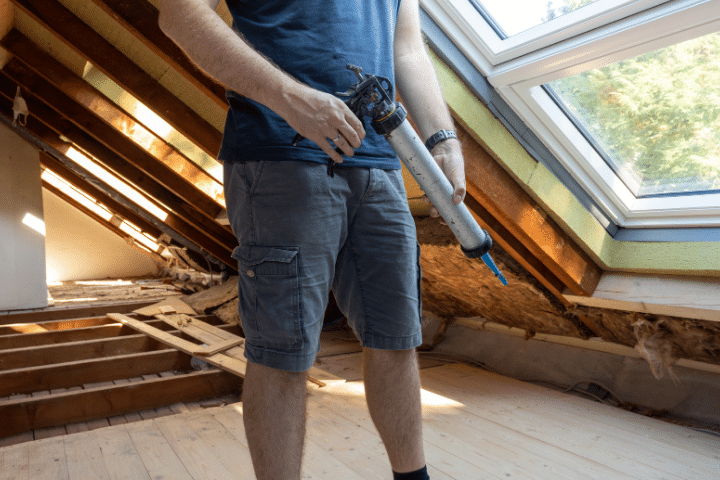
At Perma-Seal Insulation, air sealing is an important part of how we approach attic insulation. We remove the existing insulation, expose the attic floor, seal accessible gaps and penetrations with spray or expanding foam, then install new blown-in fiberglass insulation. This allows us to address air leakage before it is buried under new material.
Signs Your Home May Have Air Leaks
Air leakage is not always easy to see. Homeowners are more likely to notice the effect it has on comfort inside the house.
Common signs can include:
- Drafts even when windows and doors are closed
- Rooms that stay hotter or colder than the rest of the home
- An upstairs that is difficult to cool in summer
- Cold areas near ceilings or exterior rooms
- Higher than expected heating or cooling costs
- Cold floors above a basement or crawl space
These problems can have several causes, so we do not assume every uncomfortable home simply needs more insulation. An inspection helps us look at the existing insulation, accessible leakage areas, and other conditions before recommending the work.
What Does Air Sealing Do?
Air sealing closes openings that allow air to move between conditioned areas of the home and spaces such as the attic. These openings can be created around plumbing, wiring, framing, attic access points, and other penetrations made during construction or later work on the house.
Insulation and air sealing perform different jobs. Insulation helps slow heat moving through the ceiling, while air sealing helps limit air moving through gaps in the attic floor. One does not replace the other.
This is why we address accessible air leaks before installing new attic insulation. Once the new blown-in fiberglass is in place, those openings become much harder to reach.
Where We Air Seal an Attic
Many attic air leaks are hidden underneath the existing insulation. Removing that material allows us to see more of the attic floor and reach areas that may not have been properly sealed when the home was built.
Depending on the attic and what is accessible, common areas we may address include:
- Plumbing penetrations
- Electrical and wiring penetrations
- Wall top plates
- Gaps around framing
- Attic access areas
- Larger openings or bypasses between the home and attic
We use spray or expanding foam to seal appropriate openings. The exact scope depends on what we find once the attic is exposed.

Air Sealing Is Part of Our Attic Insulation Process
We do not approach an attic project by simply blowing more insulation over what is already there. Our process gives us an opportunity to prepare the attic floor before installing the new insulation.
1. Remove the Existing Insulation
We remove the old attic insulation so the floor underneath is accessible. This also gives us a better view of gaps, penetrations, and other conditions that may have been hidden.
2. Inspect the Exposed Attic Floor
Once the attic is cleared, we can look more closely at the areas where air may be moving between the living space and attic.
3. Seal Accessible Air Leaks
We use spray or expanding foam to seal appropriate gaps and penetrations that we can safely access.
4. Install New Blown-In Fiberglass
After air sealing is complete, we install new blown-in fiberglass insulation across the attic floor. This gives the home both an air-sealing layer and a new thermal layer rather than relying on insulation alone.
Why We Air Seal Before Adding Attic Insulation
Old attic insulation can hide the very openings that need to be addressed. If new insulation is installed directly over it, those areas remain buried and difficult to access later. Our process starts by removing the existing insulation so we can work on the attic floor first. Once accessible gaps have been sealed, we install new blown-in fiberglass over the prepared area.
Insulation works as intended
Temperature control improves
HVAC systems operate more efficiently
Energy waste is significantly reduced
This gives us a clear order of work: remove, inspect, air seal, then insulate. It also gives homeowners a better understanding of what is being done and why each step is part of the project.
Finding Air Leaks With Blower Door Testing
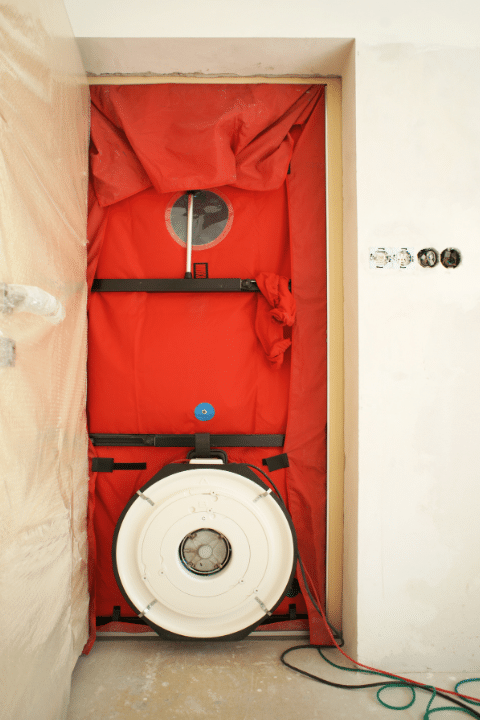
Some air leaks can be found during a visual inspection, but not every leakage path is obvious. Blower door testing gives us another way to understand how much air is moving through the home.
A blower door temporarily changes the pressure inside the house so air leakage can be measured. The results can help provide a clearer picture of the home’s overall airtightness and whether air leakage may be contributing to comfort or energy concerns.
Blower door testing is especially useful when the source of drafts or uneven temperatures is not clear from a visual inspection alone.
Why Perma-Seal Includes Air Sealing with Attic Insulation


Air sealing isn’t an optional upgrade—it’s a requirement for effective attic insulation.
By including air sealing as part of attic insulation projects, Perma-Seal ensures:
- Long-term energy savings
- Improved indoor comfort
- Better return on insulation investment
- Proper building envelope performance
This integrated approach is what separates true energy solutions from surface-level fixes.

Serving Chicago & Surrounding Areas
Perma-Seal proudly provides air sealing and insulation services throughout Chicago and the surrounding suburbs, with solutions designed for Midwest construction styles and climate conditions.
Schedule a Free Insulation Evaluation
If your home feels drafty, the upstairs is difficult to keep comfortable, or you are concerned about the condition of your attic insulation, we can help determine where to start.
Our team will inspect the areas related to your concerns, explain what we find, and provide a clear scope for the insulation and air-sealing work we recommend.
Start Improving Your Home Comfort Today
Connect with our insulation experts and explore how we can help you improve home comfort and save on energy bills. Contact us to schedule a free insulation inspection for your home today.
Air Sealing FAQs
Is air sealing included with attic insulation?
Yes. Air sealing is part of our attic insulation process. After we remove the existing insulation, we seal accessible gaps and penetrations before installing the new blown-in fiberglass.
Does fiberglass insulation stop air leaks?
No. Fiberglass insulation slows heat transfer, but air can still move through gaps and openings underneath or around it. That is why we address air leakage separately before the new insulation is installed.
What material does Perma-Seal use for air sealing?
We use spray or expanding foam to seal accessible gaps and penetrations. The exact areas we address depend on the construction of the attic and what can be safely reached during the project.
Can air sealing help with drafts?
Air leakage can contribute to drafts and uneven temperatures, so sealing significant leakage areas may help improve comfort. However, drafts can have more than one cause, which is why we inspect the home before recommending work.
How do you find hidden air leaks?
A visual inspection can identify many potential leak areas, especially after removing old attic insulation. Blower door testing can also be used to measure the home’s overall air leakage and help us better understand how the building envelope is performing.
Is air sealing a replacement for attic insulation?
No. The two serve different purposes. Air sealing limits unwanted air movement, while insulation slows heat transfer. A properly prepared attic often needs both working together.
See What Our Customers Think of Our Services
Attic Insulation
Attic Insulation
Attic Insulation Services
The guys – Eric , Enrique, Jose, and Martin – arrived promptly, explained the process for clearing out and insulating all three parts of our attic. They put down tarp and hung plastic to keep our home clean as they worked, and worked consistently from 8AM to 4PM. The finished result was as promised, and everything was explained well. A great crew and great job overall.